Plastic-Free Kitchens, Bathrooms, and Laundry Rooms—Made Real

Step into a home that respects your health and the planet by replacing everyday disposables with durable, beautifully simple solutions. We explore plastic-free alternatives for kitchens, bathrooms, and laundry rooms, sharing practical swaps, honest lessons, and inspiring wins from real households. Expect actionable steps, gentle nudges, and easy checklists you can try this week, plus an invitation to share what worked for you so our growing community can learn, celebrate progress, and improve together.

Kitchen Foundations That Stand the Test of Time

Build a kitchen that outlasts trends and reduces trash with materials chosen for durability, safety, and repairability. Glass jars, stainless steel containers, cast-iron cookware, wooden brushes, and beeswax wraps transform routines without sacrificing convenience or joy. We’ll cover simple first steps, storage strategies, and cleaning solutions, all tested in busy homes. Share your favorite swap in the comments so others can replicate your success and feel empowered to make steady, budget-friendly changes that truly stick.

Food Storage That Breathes and Protects

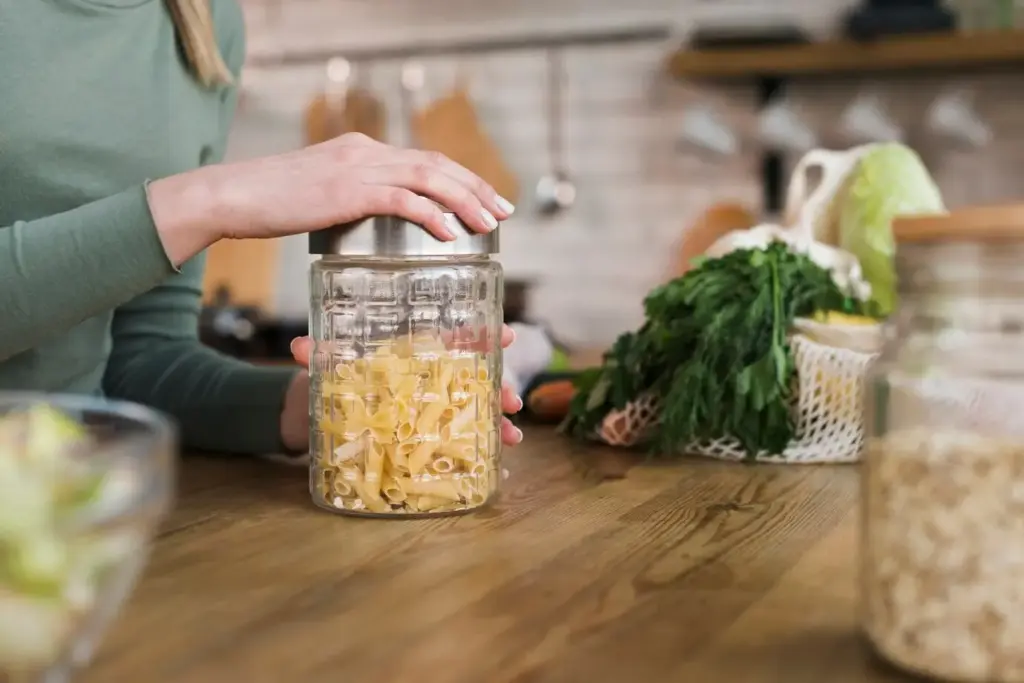
Trade stained containers and brittle lids for a system built around glass, stainless steel, and natural wraps. Wide-mouth jars showcase leftovers, prevent odors, and make planning effortless. Beeswax, cotton bowl covers, and elastic linen lids keep produce crisp and bread soft. Label jars with grease pencils, stack thoughtfully, and rotate by date. Tell us your favorite jar sizes, pantry hacks, and any surprising win—like crackers staying crunchy longer—so others can copy your best ideas.

Cookware and Utensils That Age Gracefully

Skip fragile coatings and embrace cast iron, carbon steel, and enamel pieces that can be seasoned, resurfaced, and repaired. Wooden spoons, stainless ladles, and metal measuring cups deliver precision without hidden plastic. A single Dutch oven can bake bread, simmer stews, and anchor weekly meal prep. Share a photo of your most trusted pan, how you maintain it, and the dish that made you fall in love with durable cookware all over again.

Bathroom Rituals That Feel Pure and Thoughtful
Create a calming bathroom where daily routines nourish instead of cluttering. Solid bars for body, hair, and shaving reduce packaging while elevating texture, scent, and simplicity. Refillable glass bottles handle liquid essentials when needed, and tidy trays keep counters clear. We’ll spotlight dental care upgrades, low-waste grooming, and storage tweaks that make commitment effortless. Tell us which small change boosted your mood most—maybe a cedar soap dish or a beautifully crafted safety razor stand.

Laundry Room Revamp for Fresher Clothes and Clearer Water
Rethink laundry with concentrated powders in cardboard, stain sticks in paper, and sturdy tools designed to be maintained, not discarded. A simple routine—cool water, full loads, and gentle spin—saves energy and preserves fabric integrity. Consider microfiber-catching bags or external filters, and line-dry when possible. Organize with wooden pegs, metal scoops, and glass jars for predictable, mess-free workflow. Comment with your stain-removal secrets and which detergent formats performed best on towels, athletic wear, and delicate fabrics.

Refill Routines That Save Time and Money

Plan refills alongside errands so jars naturally travel with you. Keep a tote with clean containers, funnel, grease pencil, and cloth in your entryway. Schedule monthly pantry checks and seasonal bathroom audits to avoid last-minute plastic-packaged purchases. Compare unit prices at bulk stores versus conventional outlets to find true savings. Share your refill map, the products you never run out of anymore, and any unexpected roadblocks—like sticky honey jars—that you solved with simple, repeatable tricks.

Pantry and Bath Storage That Looks Good and Lasts

Standardize jar shapes so lids match, then choose two or three sizes for grains, snacks, and baking goods. In bathrooms, glass pump bottles with stainless pumps resist corrosion and clean easily. Use drawers for backups, baskets for daily essentials, and a first-in-first-out system to prevent waste. Report which jars seal best, how you handle slippery surfaces, and what shelving heights actually serve your family. Your layout snapshot could inspire someone’s weekend project toward calmer, cleaner spaces.

Grab-and-Go Gear for Markets and Errands

Keep a compact kit in your car or hallway: canvas totes, produce bags, a collapsible crate, and a couple of returnable bottles for refills. Add a napkin and cutlery roll to avoid emergency disposables. Train the habit by placing gear where you naturally reach before leaving. Share the combination that fits your lifestyle, the vendor who gladly tare-weighs containers, and the pocket-size accessory you never expected to love but now recommend to everyone who asks.

Budget, Safety, and Science—Making Informed Choices

It’s easier to commit when the numbers and evidence make sense. We’ll compare upfront costs against lifespan, consider materials that contact food and skin, and address common concerns about coatings, glues, and finishes. We’ll also share a short story about a family who cut weekly trash by half with three changes. Offer your questions about materials, certifications, and safer finishes, and we’ll compile a follow-up guide with expert input and reader-tested outcomes you can trust.

Invest Once, Use for Years

A glass set may cost more today but typically replaces dozens of disposables over time. Cast iron can be restored, wood handles re-oiled, and steel re-polished, creating long-term savings and reliability. Track a six-month experiment comparing replacements avoided. Share your spreadsheet if you have one, or your back-of-the-envelope notes. Real budgets and honest wear-and-tear reports help everyone choose wisely without guilt, hype, or pressure to buy an entirely new collection all at once.

Understanding What Touches Food, Skin, and Air

Choose materials with clear, time-tested safety profiles and minimal additives. Prioritize glass for storage, stainless steel for contact surfaces, and ceramics with verified lead-safe glazes. For wood, look for natural oils and simple joinery. Ventilate while cleaning, and store products away from heat and sunlight. Tell us which brands you trust and why, and where you found transparent testing information. Your diligence can guide others through jargon and help them embrace safer choices with confidence.

Seven-Day Kitchen Challenge

For one week, store leftovers only in glass or steel, use a bar dish soap, and swap paper towels for cloth. Keep notes on convenience, flavor, and cleanup time. Share your shopping list and before-and-after photos. We’ll compile highlights, troubleshoot sticking points like sticky labels or jar odors, and celebrate practical wins. Invite a friend or neighbor to join, compare recipes, and see how small steps compound into lighter bins and more intentional cooking.

Make It a Home Adventure

Turn changes into a game for kids or roommates: tally single-use items avoided, design labels, and craft a refill station sign. Rotate responsibilities—one person sanitizes jars, another tracks refills, another handles weekly wipe-downs. Vote on a monthly reward like a picnic or pastry crawl. Post your scoreboard, share unexpected laughs, and record which systems people naturally follow without reminders. Habits that feel playful have a way of becoming the new normal effortlessly.
Vemixuxofifomexotike
Privacy Overview

This website uses cookies so that we can provide you with the best user experience possible. Cookie information is stored in your browser and performs functions such as recognising you when you return to our website and helping our team to understand which sections of the website you find most interesting and useful.